Two WeAreDOOHers evenings, five days apart. Here’s what was said, and why you’ll want a seat at the next one.
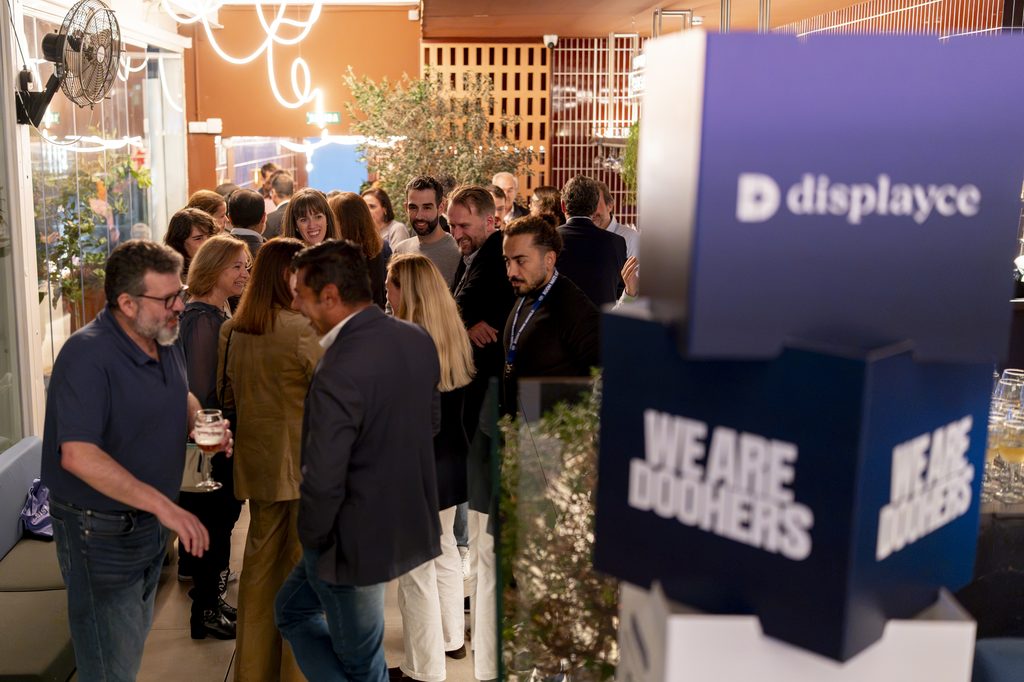
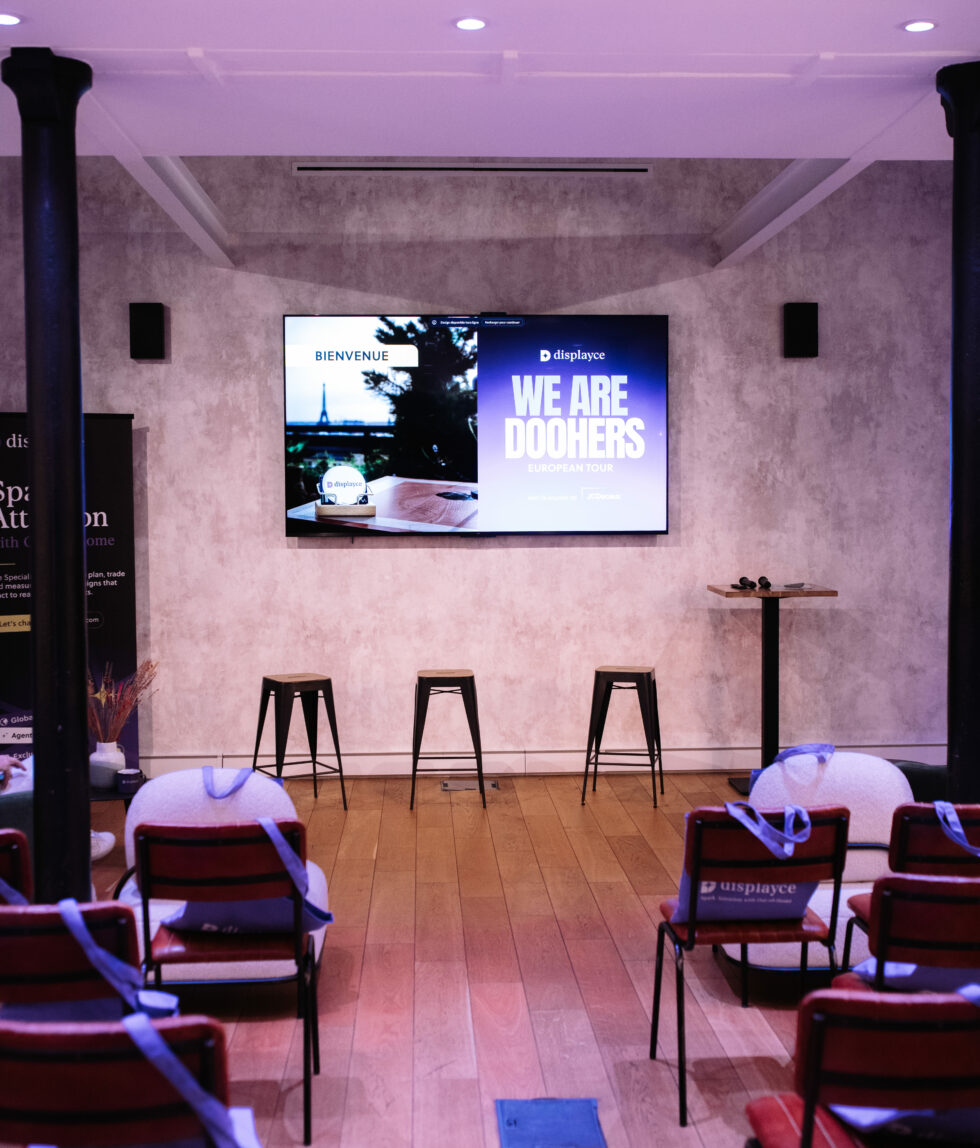
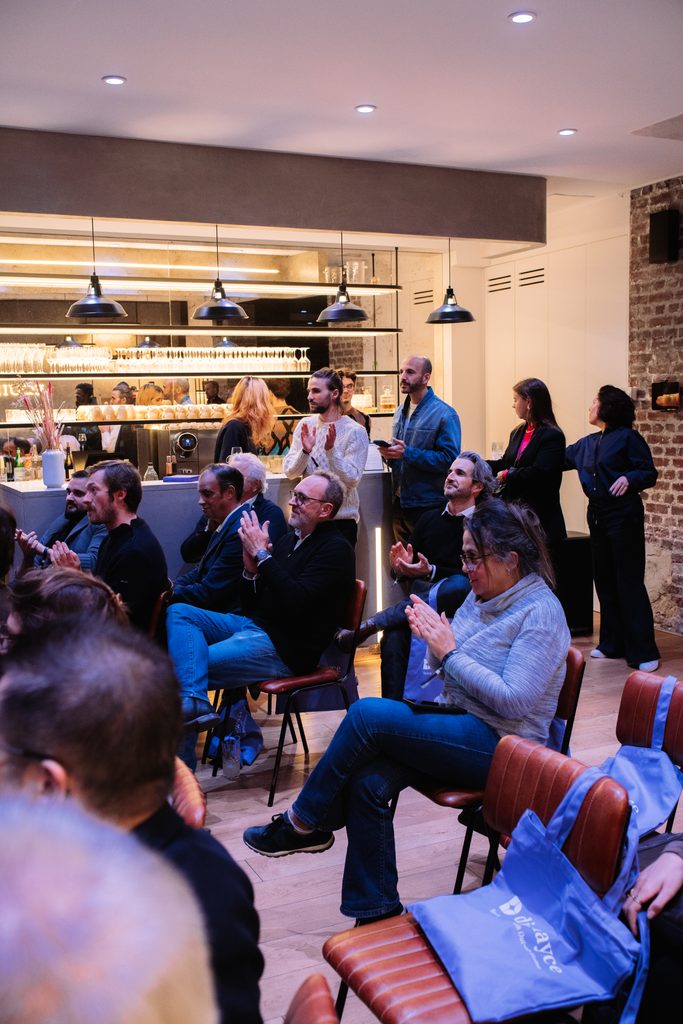
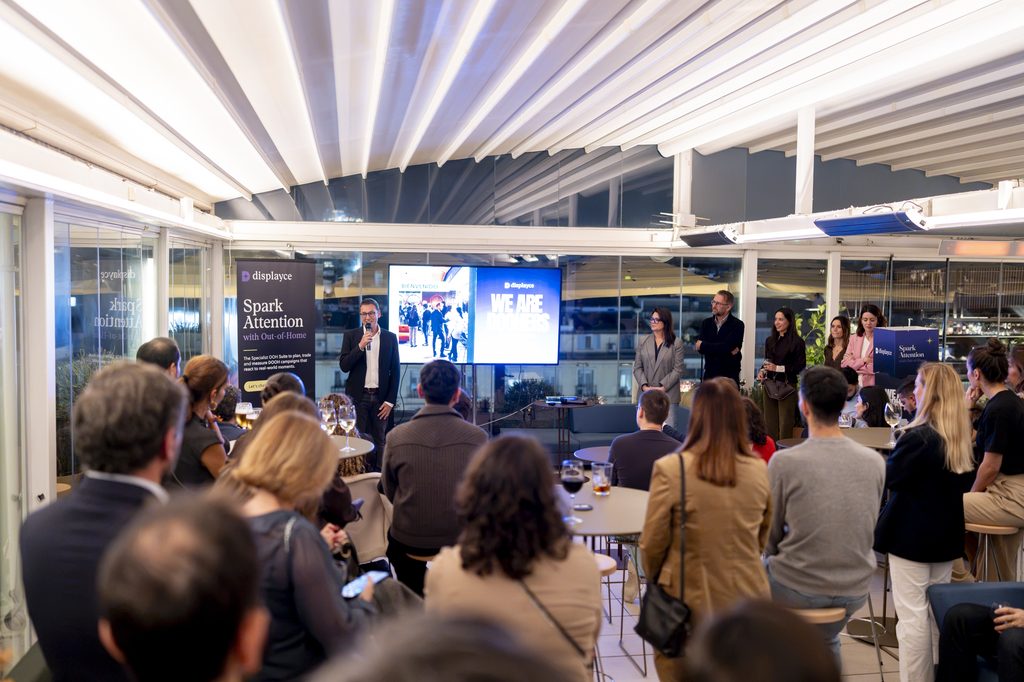
On 12 November, the WeAreDOOHers European Tour stopped in Paris. On 17 November, it took a rooftop near Gran Vía in Madrid, the night before Programmatic Morning DOOH. Same format both times: short talks, then a long cocktail where the real briefs start.
AI agents have joined the planning meeting
A year ago, Values.media, Prisma Media and Displayce brought publisher audiences to more than 70,000 screens in France. In Paris, Emmanuel Crego (CEO Values.media) and Laure Malergue (CEO Displayce) showed the next step. Values.media’ AI platform now works directly with the Displayce media platform through MCP, the open standard that lets AI tools talk to each other.
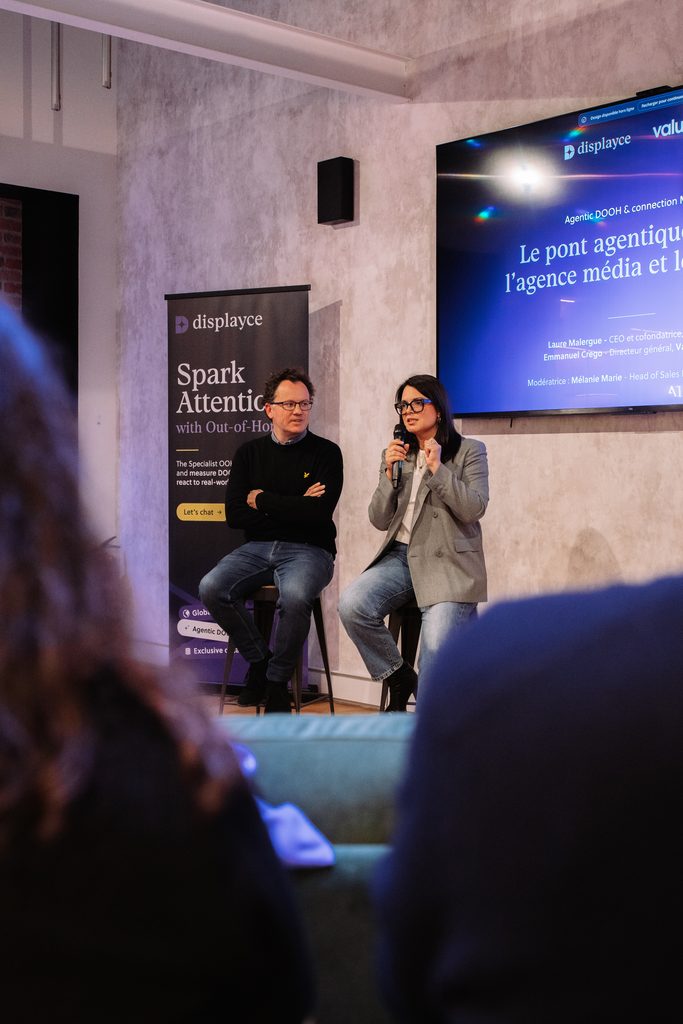
You write a brief in plain language. The agent compares scenarios, builds the plan and sets up the campaign. A trader validates it before anything goes live.
“Media buying is becoming agentic, and DOOH is part of it.” Emmanuel Crego, Managing Director, Values.media
Laure’s point: a medium missing from agency tools goes missing from agency plans. Once DOOH is plugged into the agent, it shows up in the first scenario.
Every sale has an address
Vincent Caillibot (Publicis Media Exchange) presented a Bud programmatic DOOH campaign, planned where the brand sells and judged on sales. Activated stores grew sales by 12% with classic outdoor alone and by 19% once programmatic was added. On match days, the sales index hit 140.
The next step is to optimise during the campaign, store by store and hour by hour. JCDecaux’s Clément Lion showed the tools heading that way: Carrefour, Carmila and Unlimitail sales data feeding Smart PlAInning, an AI planning agent for FMCG brands built with Displayce, and Live Optimization, which adjusts pressure per store in near real time.
One commute, five channels
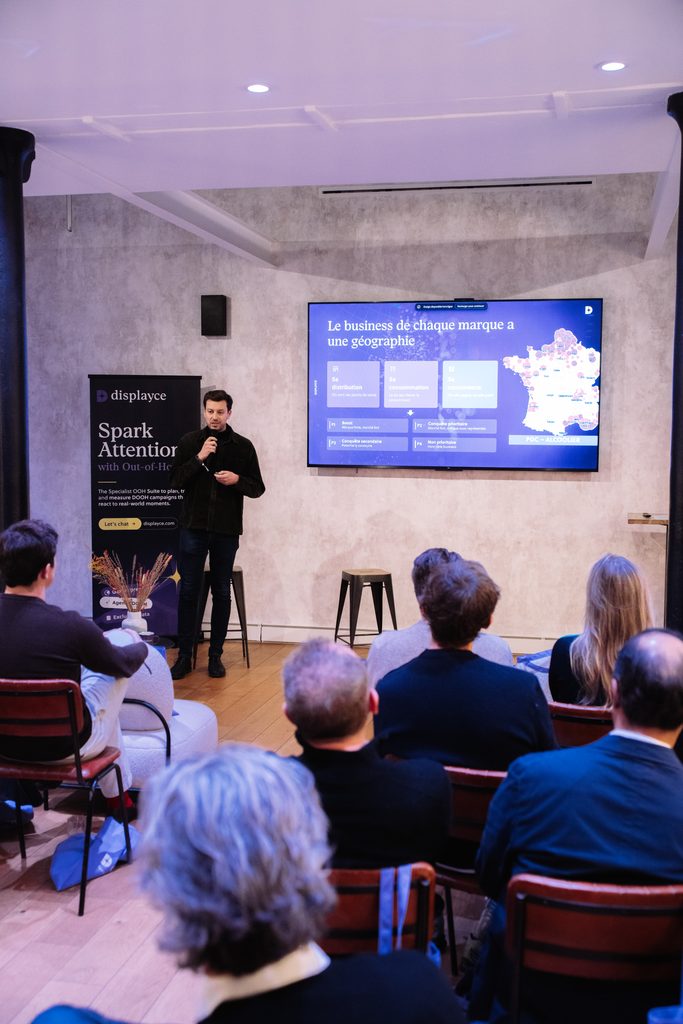
Constance Roussel (Havas International) described a commuter classic journey on their way to work: TV at home, radio in the car, a poster in the metro, social media on the platform, a screen at the exit.
“For them it’s one single moment, but for us it’s five different channels.” Constance Roussel, Digital Manager, Havas International
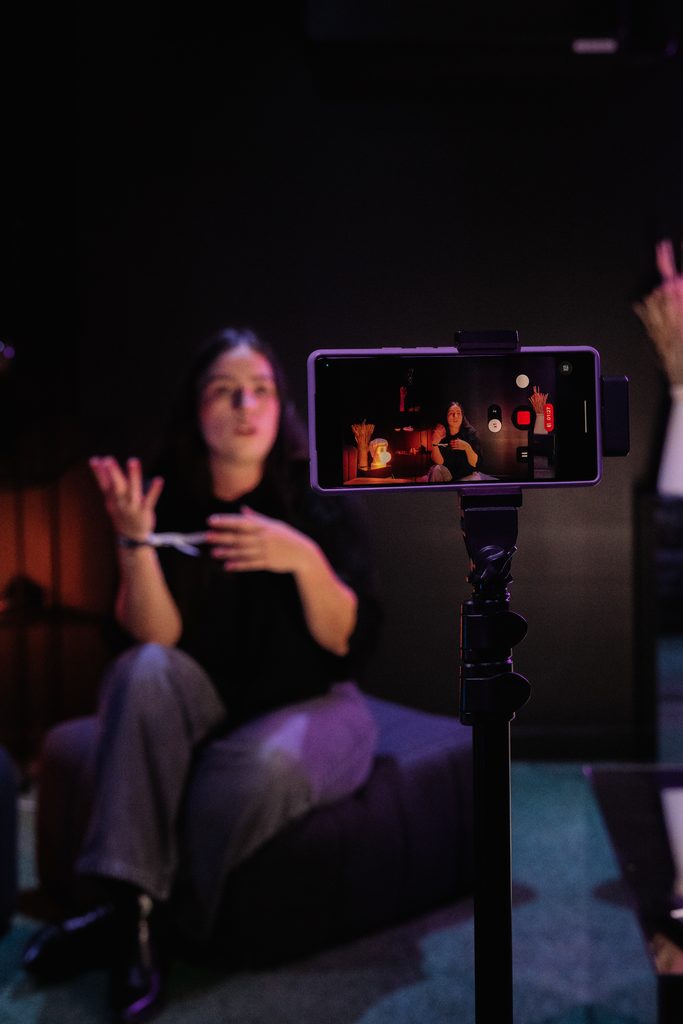
Her rule: bring DOOH into the brief on day one.
Place it next to TV for reach, next to mobile for performance (retargeting people who passed DOOH screens drove about 20% uplift for one client) and next to the point of sale. For first-timers, start with a small test, agree on the KPI up front and measure it like digital. “At the next brief, they ask for DOOH by themselves.”
A smart screen deserves a smart message
In Madrid, Coca (Displayce) opened with a number: 60% of a campaign’s success depends on the creative, and contextual messages lift effectiveness by 17% on average. Yet many DOOH campaigns still run one static visual, everywhere, all day.
His method: one signal, one rule, one creative. A flight lands from China, and the airport screen switches to Chinese. d.studio by Displayce pretests each creative with predictive AI before you buy a single impression.
Where outdoor meets digital
Natalia Martínez Cabanela (Targetopia, dentsu) brought the buyer’s view. Spanish DOOH grew 15.6% in the first half of 2026 (IAB Spain), yet only 9.5% of it is bought programmatically. That gap is the opportunity.
“We no longer buy locations. We buy audiences and moments.” Natalia Martínez Cabanela, Operations Director, Targetopia
Her 2027 forecast: programmatic DOOH becomes a fixed line in every omnichannel plan, measured on visits and sales, with AI agents doing the buying so teams get time back for ideas.
José Miguel Lobo Santiago (JCDecaux Spain) closed the talks by stressing the value of combining digital with traditional outdoor advertising.
The best insights don’t make the slides
They happen over a conversation, a drink, between media planners and brands. That’s what WeAreDOOHers is for. See you at the next stop?